Seattle Needs you to Plan a Group Ride
Believe it or not, there was a time when there was a casual bike ride or bike culture-related event nearly every night of the week in Seattle. These ranged from Critical Lass to Bike Polo to the Disaster Relief Trials to outer spaced themed Alley Cats. If you rode a bike in Seattle and wanted to find like-minded folks to ride with, you typically could.
Now, even though it’s Bike Everywhere Month, the Events Calendar on the Seattle Bike Blog is woefully sad, aside from the awesome advocacy work Seattle Neighborhood Greenways are doing.
Obviously we took a very necessary break during COVID, but now that vaccines are available to all and the city has installed new bike lanes all over the city, I think we’re ready for some big bike energy in town!

Big Bike Energy image courtesy of Gears for Queers
In the last week I’ve gotten asked at least six times about upcoming group rides in Seattle that I’m leading, and sorry, but my next one isn’t until June 19th! But there is absolutely no reason there shouldn’t be many group rides between now and then!
While I’m honored that folks look to me as a leader in the bike community here in Seattle and enjoy the group rides that I lead, I’m here to tell you that you too can lead group bike rides that are safe, inclusive and fun! And the Seattle bike community needs you to!
Please, I’m begging you - take a risk, step out of your comfort zone and plan a ride, bike party, alley cat, or charity ride!
Nobody holds the keys to bike culture - together we can shape an inclusive community that reflects our values.
To help inspire you to plan the bike ride of your dreams, I’ve put together a 5 step no-fail plan. Obviously everybody’s planning process is different - you don’t have to follow my advice. But please, somebody plan a group ride and let’s get the bike community going again in this town!
Pick a Day & Time. I like to take into consideration when my intended audience will be able to attend, as well as expected car traffic at that time and any potential conflicting events (sports games, big events, etc.)
Designate your meet-up spot. I’ve played around with lots of different spots around town and find that the most successful are those that are centrally located, have a restroom, and food close by in case folks show up hungry.
Recruit your friends to help. Leading a ride alone is hard - having friends to help decide the route, act as sweeper (more on that later) and promote the ride is super helpful.
Announce the Ride! Make a flyer (digital or print to put up at shops), Facebook event, Instagram post, etc. Consider posting the event to local online communities like Seattle Bike Blog, Twitter, EverydayRides.com, and the Seattle WTF Bike Slack. Make sure you include all the relevant details of your ride like date, time, pace of ride, meetup spot and things to bring.
Do the dang thing! If it’s fun, do it again! If not, that’s ok! Maybe somebody else will be inspired to lead a ride!
And while I’ve got your attention, there’s a couple of things you can do as the Ride Leader/Organizer to ensure your ride is inclusive, safe and fun.
In no particular order:
Be honest about what pace you’re going to go at and stick to it. (Using a bike computer can be especially helpful for keeping a real time eye on this during your ride.) Remember, my “social pace” is probably not the same as your “social pace.”
Publish your intended route before the ride. Using RidewithGPS or other ride mapping software allows participants to download the route onto the bike computer (if that’s their thing.) This can also help alleviate any anxiety folks may be having about where the ride is going!
Have a sweeper at the back of the group who knows the destination and can help shepherd anyone who gets separated from the pack to the ride destination.
Regroup at the top of hills and actually give the last folks up a chance to catch their breath.
Don’t use judgement based descriptions like “beginner” when you actually mean slow. Calling out specific required skills (holding a paceline, being able to ride single track, etc.) will better allow potential attendees to gauge if the ride is appropriate for them.
So, what do you say? Need some inspiration for ideas for group rides? Take a look at what Portland is up to for the next 3 months with Pedalpalooza.
In closing, Seattle is not known for being the friendliest city. But in my experience, the bike community does a pretty damn good job of supporting each other. And I can guarantee that I’ll do my best as a bike advocate and fan of creating community to cheer you on, hype you, and help guide you (if you want it.)
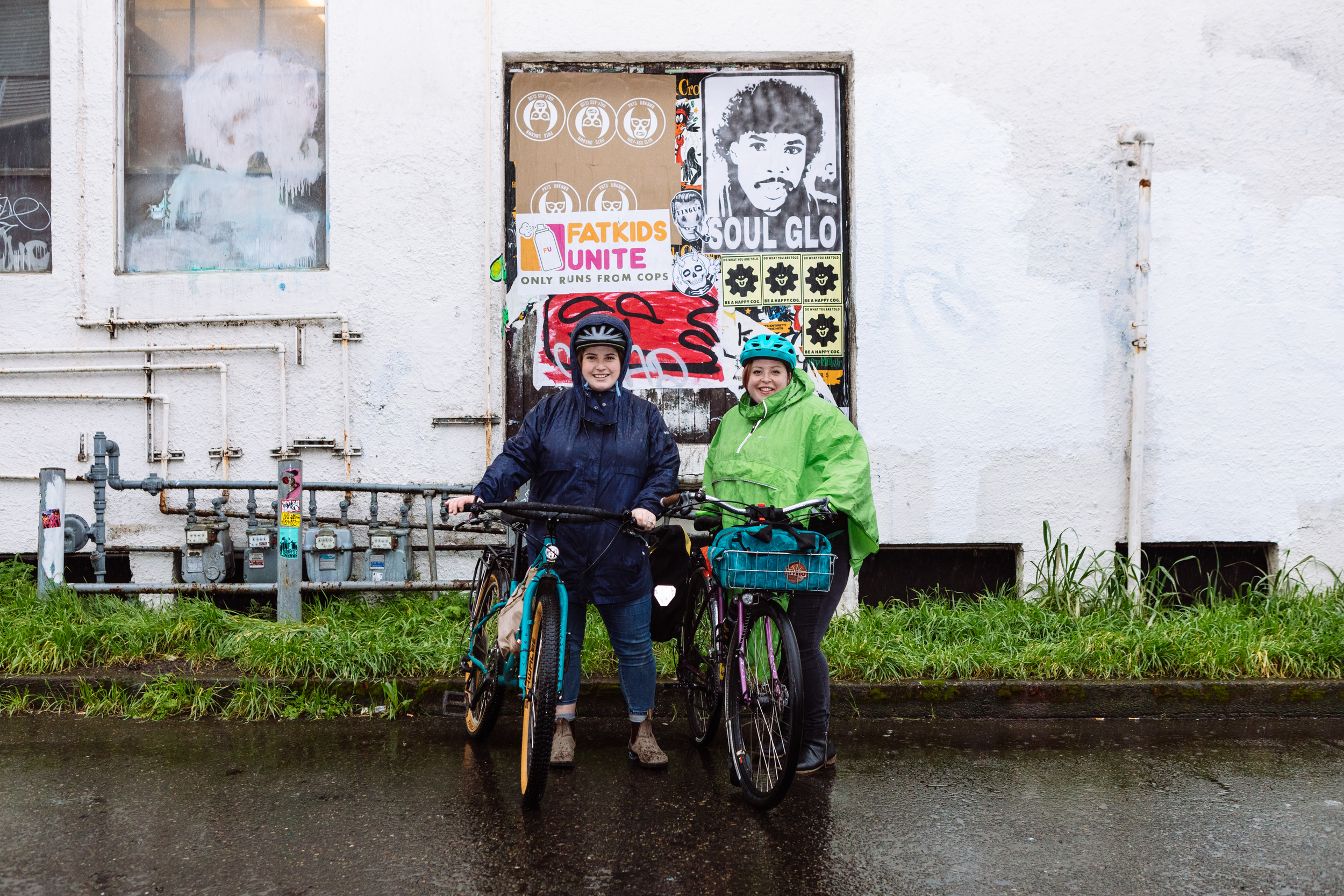
5 Tips for Making Your Group Ride More Inclusive
We've all been on that group ride that was advertised as "No-drop", only to be left behind on the first climb. It's not a good feeling for anyone, no matter how long you've been riding. It can be especially discouraging for newer riders or folks trying out group riding for the first time.
We've all been on that group ride that was advertised as "No-drop", only to be left behind on the first climb. It's not a good feeling for anyone, no matter how long you've been riding. It can be especially discouraging for newer riders or folks trying out group riding for the first time.
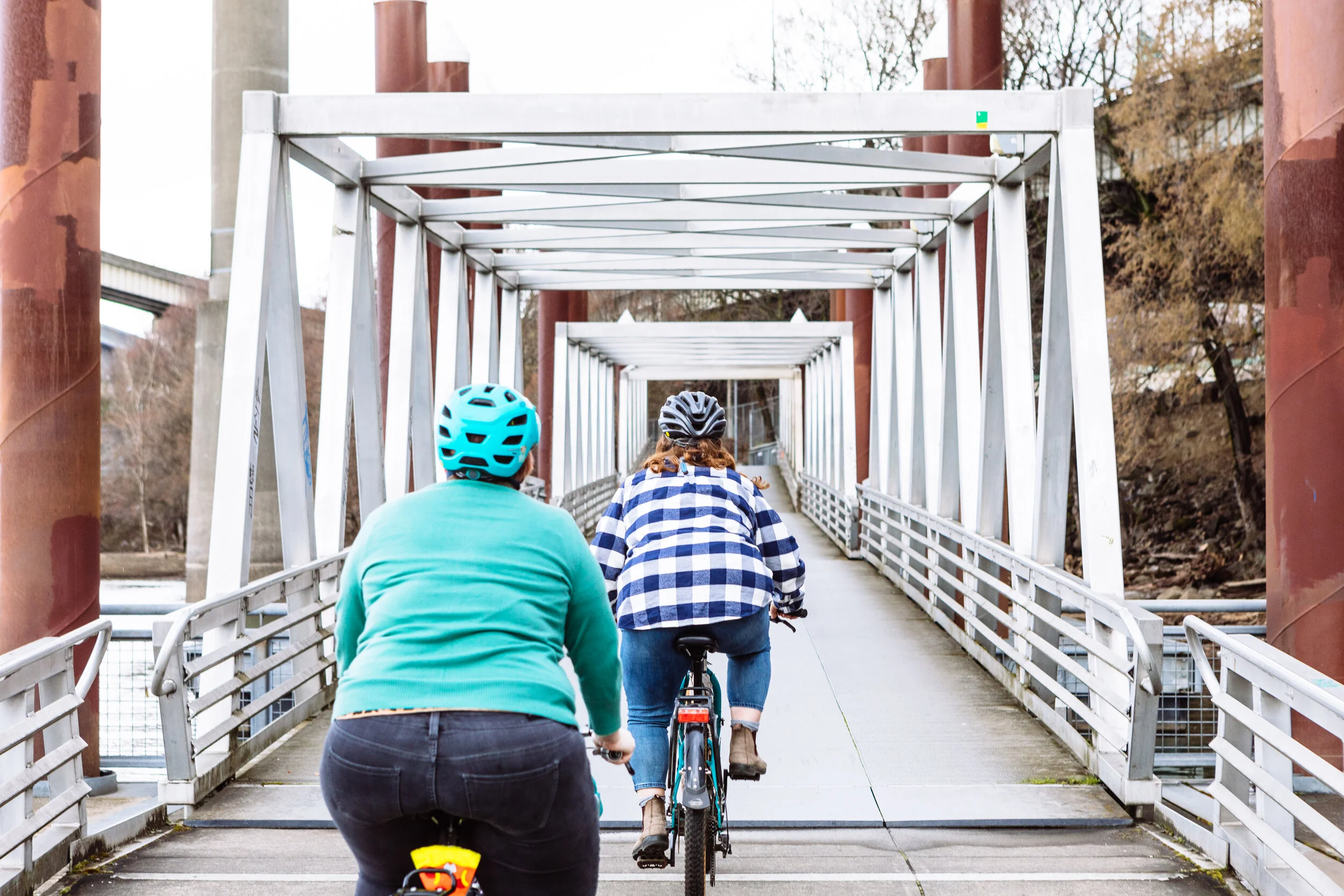
There are a few fairly simple things you can do as a ride leader to make your rides more inclusive to all. Read on for my top 5 pieces of advice.
1. Be honest about what pace you're going to ride at and stick to it.
Going fast on a group ride is ok - in fact, I can ride a lot faster in a group than alone thanks to physics (hello drafting!) But I need to know what pace the ride is planning to go at so I know if its an appropriate ride for me to attend. As a ride leader, you need to set the pace and stick to it (obviously hills are the exception.)
2. Publish your intended route before the ride.
I used to ride with a group where part of the adventure was never knowing where you were going to end up. This was fun for a while and then I realized it was causing a lot of anxiety. I didn't know if I was going to end up 2 or 20 miles from home. Let folks know where you're planning to ride so they can plan accordingly. Sure, it might take away some of the mystery and intrigue, but it'll reduce stress when people know where they're going.
This also includes descriptions of the ride, such as expected elevation gain, road condition (paved, gravel, single track, etc.) and planned stops. As a person who snacks frequently, I want to know if I need to pack food or if we're stopping somewhere along the way.
3. Have a sweeper at the back of the ride who knows the route and intended destination.
Flat tires, red lights, bathroom breaks - things happen on rides and sometimes no matter your best intentions, groups can get split up. Having a designated person at the back of the ride who knows the route and where the ride is ending is crucial to ensuring all your participants make it to the end safely. Make sure this person is introduced to everyone at the beginning of the ride and its made clear that they'll be at the back of the group. (I also find it helpful for this person to have some basic mechanical skills just in case somebody gets a flat or drops a chain and doesn't know how to fix it themselves.)
4. Regroup at the top of hills, and actually give the last people up the hill a chance to rest.
I'm always the last person to the top of the climbs. I can't even tell you how many times I've gotten to the top, gasping for air, for the group leader to immediately start riding again. Don't do this. Give the people at the back the same break you got.
5. Drop the judgement-based descriptions such as "beginner" or "advanced" when you actually mean slow or fast.
This is a personal pet peeve of mine, because I'm slow, but I'm definitely not a beginner. I want to be very clear that there is absolutely nothing wrong with being a beginner.
But using descriptions such as "beginner" or "advanced" to describe pace can be dangerous and misleading. Harking back to #1, use actual pace descriptions, and if you truly mean a beginner ride, explain what that means. If folks are expected to know how to hold a paceline, make that known!
Any other best practices your cycling group uses? Share them in the comments below!