Trip Report: Inclusive Design Campout with NEMO Equipment
This post contains affiliate links. When you purchase something using one of these links, I get a small commission of that purchase (from the retailer, not you!) which lets me keep making content like this! To learn more about my use of affiliate links, please click here.

An Adventure with NEMO’s Product Design Team and Central Maine Adaptive Sports
If you’re familiar with my work, you know that I focus on making the outdoor industry, specifically the bike world, more accessible to fat people. My vision, however, is a world where all outdoors equipment is accessible to people of all sizes and shapes.
If you’re fat and have tried to go backpacking or bikepacking, you know the problem. Lightweight, backcountry gear is not made for big people. Sleeping bags and pads are too narrow, camp furniture doesn’t hold our weight, and often the backpacks don’t fit us. The gear that does work for us is often too big or bulky to reasonably stuff down for a backpacking or bikepacking trip.
Which leads me to the Inclusive Design Camping Trip I got to go on last weekend with NEMO Equipment and Central Maine Adaptive Sports. There might be hope you guys!!

New friends from Central Maine Adaptive Sports
Let me back up a minute. One of the first brands I worked with on size inclusive design was NEMO Equipment. In February, I was invited to be on an Inclusive Design Panel with a few other folks, including Christy Gardner, a Special Olympics Coach, and a few other athletes/outdoors people.
On that panel with the NEMO Product team, we each shared our experience as non-traditional outdoors people and the challenges we encounter with standard camping equipment. I specifically detailed my frustration with camp furniture weight limits typically being pretty low, not having enough room in my sleeping bag, and the length of tent poles for bikepacking. Christy and the other athletes shared their experiences, including getting into/out of a tent in a wheelchair, struggling with zippers with using prosthesis and missing limbs, and other challenges.
Even though this panel was virtual, the product team had so many great questions and ideas for improvements that could potentially be made and seemed genuinely excited to improve on their designs to make them more accessible to wider audience. At the end of the panel, we jokingly discussed getting together once it was safe to do so for a real camping trip…and what do you know, it actually happened!

Setting up camp with the Product Design Team
We camped at Christy’s brand new house, built for her by A Soldier’s Journey Home.
Christy is the Board President for Central Maine Adaptive Sports and was an Army Sergeant in Korea when she was severely injured during a foot patrol, leaving her with severe injuries that have resulted in a double amputation, a spinal cord injury, and other lasting injuries.

Christy’s pack of eight dogs! Two of them are hers - she’s training the other six to be Service Dogs
She’s a powerhouse of good-she’s a professional athlete, she founded Mission Working Dogs and is currently living with 8 dogs, six of them service dogs in training at her house! I was exhausted just watching her in action!
Ok- sorry for all the gushing. But seriously - you know when you meet someone who is making changes in the world and you just want to support everything they’re doing? That’s how I feel about the work Christy is doing. I’m really excited I met her and really hope we can do some work together in the future - especially around adaptive cycling!
So this camping trip! HOLY MOLEY! What a treat!
First off - Maine is absolutely stunning! I don’t know if it’s normal to have 70 degree weather in October, but I’ll take it. The night was cold, but I was nice and toasty with a campfire and 15 degree sleeping bag.
To give the product team the best insight, they were split up among participants for camp setup. I was tasked with setting up the Aurora Backpacking Tent, the Quasar 3D Sleeping Pad, the Women’s Disco 15 Degree Bag and the Stargaze Recliner Luxury Chair (which is definitely going on my wish list.) On my “team” to help out was Cam, the CEO, and Mark, a Product Designer. I have to tell you, it was a bit embarrassing to admit to them that I don’t read instructions on tents, but they wanted to watch my actual process. So I gave them the truth!
After camp setup, we enjoyed a dinner together, campfire and s’mores and lots of dog snuggles. Christy brought out a few of her wheelchairs for the team to test out, which was surprisingly fun, especially the chair she uses in the snow. I retired pretty early and actually had a really cozy night’s sleep - and the sleeping bag fit!! I could fully zip the whole bag up around my body with my arms inside the bag with room to spare!


After breakfast the next morning, we did a debrief around the fire, sharing our experiences with the equipment. We each shared one thing we were delighted with, one thing we were surprised by, and one thing we were frustrated by. It was super cool to hear everyone’s experiences and you could see the product team taking notes in their head for ideas to take back to the office.
From there, we broke down camp and cleaned up, leaving Christy’s backyard once again to the dogs. I caught a ride into Boston, where I had an All Bodies on Bikeside planned for the next day!
Overall, it truly felt like the NEMO product team actually paid attention to our feedback and cared about our experiences and really wanted to learn from the trip. From the engineers to the designers, they all had thoughtful questions and genuinely got to know us.

Debriefing our experiences around the campfire
Honestly, I’m so appreciative for the time, effort, and money that was put into this trip. Perhaps most refreshing of all - there wasn’t a photographer or media person on the trip. There was no live tweeting or updating NEMO’s stories about this. I don’t think there’s even a mention of this on any of their social media. In fact, I had to get permission to write this blog - NEMO is not doing inclusive design just for the likes. They’re doing it because it’s the right thing to do.
But they’re also not promising anything yet, in terms of new products, which I honestly appreciate. We all know how businesses work - priorities can change in an instant, things get put to the chopping block and supply chains can disrupt everything.
While we’re not at a fully inclusive outdoor world yet, trips like this are a great step in that direction. Thanks for including me in this effort NEMO and I’m so excited for this more inclusive world we’re creating together!

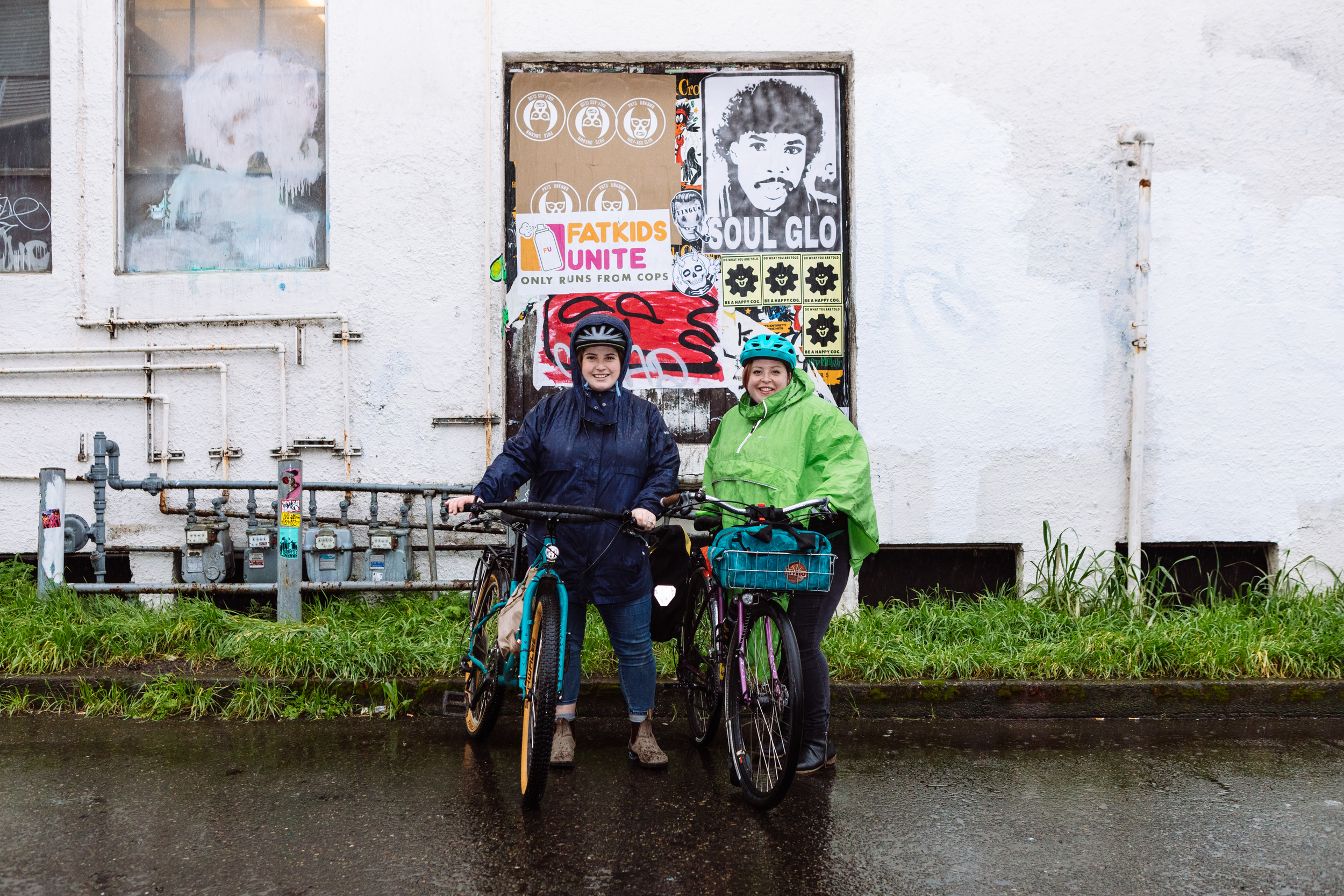
5 Tips for Making Your Group Ride More Inclusive
We've all been on that group ride that was advertised as "No-drop", only to be left behind on the first climb. It's not a good feeling for anyone, no matter how long you've been riding. It can be especially discouraging for newer riders or folks trying out group riding for the first time.
We've all been on that group ride that was advertised as "No-drop", only to be left behind on the first climb. It's not a good feeling for anyone, no matter how long you've been riding. It can be especially discouraging for newer riders or folks trying out group riding for the first time.
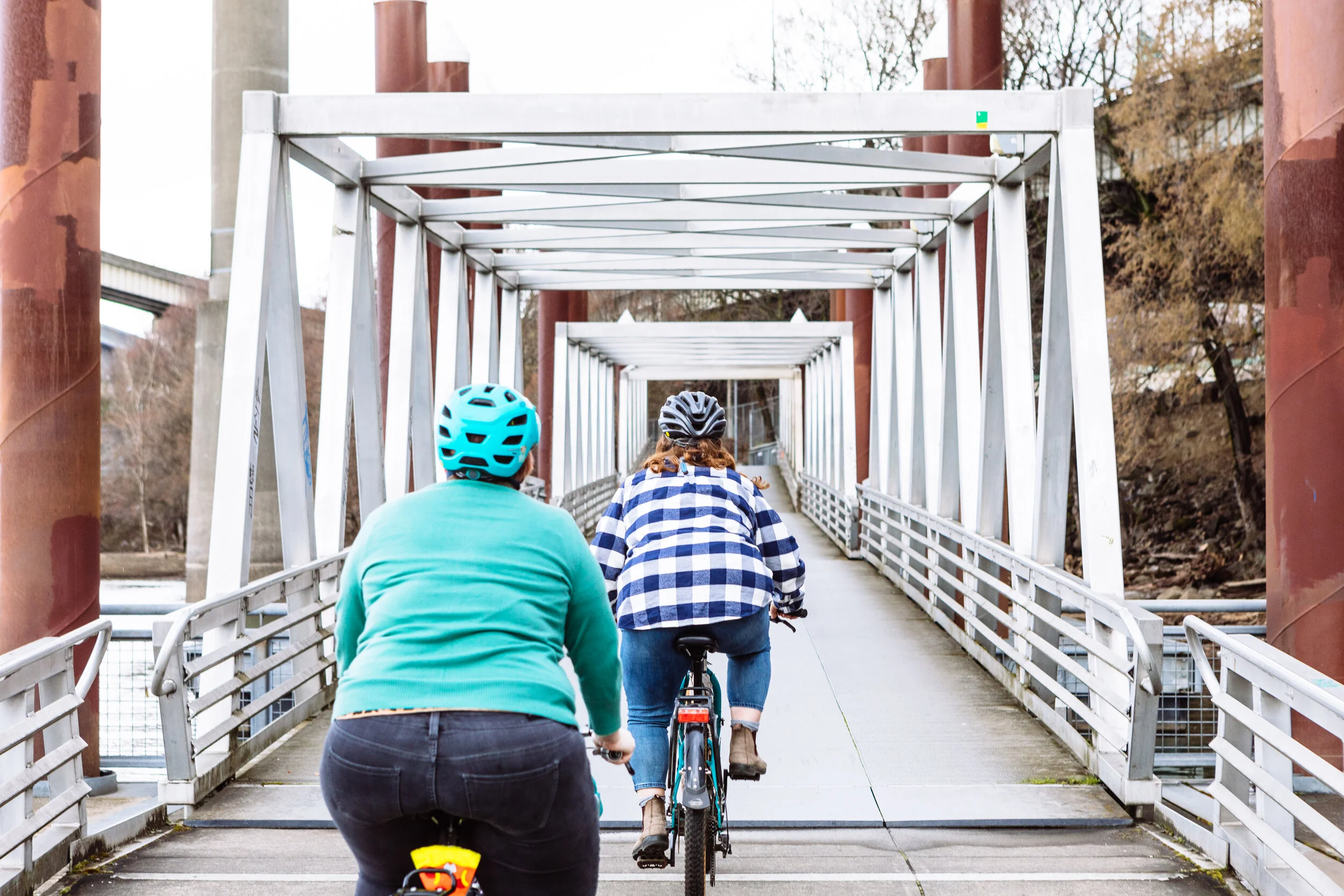
There are a few fairly simple things you can do as a ride leader to make your rides more inclusive to all. Read on for my top 5 pieces of advice.
1. Be honest about what pace you're going to ride at and stick to it.
Going fast on a group ride is ok - in fact, I can ride a lot faster in a group than alone thanks to physics (hello drafting!) But I need to know what pace the ride is planning to go at so I know if its an appropriate ride for me to attend. As a ride leader, you need to set the pace and stick to it (obviously hills are the exception.)
2. Publish your intended route before the ride.
I used to ride with a group where part of the adventure was never knowing where you were going to end up. This was fun for a while and then I realized it was causing a lot of anxiety. I didn't know if I was going to end up 2 or 20 miles from home. Let folks know where you're planning to ride so they can plan accordingly. Sure, it might take away some of the mystery and intrigue, but it'll reduce stress when people know where they're going.
This also includes descriptions of the ride, such as expected elevation gain, road condition (paved, gravel, single track, etc.) and planned stops. As a person who snacks frequently, I want to know if I need to pack food or if we're stopping somewhere along the way.
3. Have a sweeper at the back of the ride who knows the route and intended destination.
Flat tires, red lights, bathroom breaks - things happen on rides and sometimes no matter your best intentions, groups can get split up. Having a designated person at the back of the ride who knows the route and where the ride is ending is crucial to ensuring all your participants make it to the end safely. Make sure this person is introduced to everyone at the beginning of the ride and its made clear that they'll be at the back of the group. (I also find it helpful for this person to have some basic mechanical skills just in case somebody gets a flat or drops a chain and doesn't know how to fix it themselves.)
4. Regroup at the top of hills, and actually give the last people up the hill a chance to rest.
I'm always the last person to the top of the climbs. I can't even tell you how many times I've gotten to the top, gasping for air, for the group leader to immediately start riding again. Don't do this. Give the people at the back the same break you got.
5. Drop the judgement-based descriptions such as "beginner" or "advanced" when you actually mean slow or fast.
This is a personal pet peeve of mine, because I'm slow, but I'm definitely not a beginner. I want to be very clear that there is absolutely nothing wrong with being a beginner.
But using descriptions such as "beginner" or "advanced" to describe pace can be dangerous and misleading. Harking back to #1, use actual pace descriptions, and if you truly mean a beginner ride, explain what that means. If folks are expected to know how to hold a paceline, make that known!
Any other best practices your cycling group uses? Share them in the comments below!