Other things to think about when choosing a bike:
Wheel Strength – All wheels are created equally, right? I thought so too and for a long time, couldn’t figure out why I kept breaking spokes on my road bike. Finally, a bike mechanic that I trust dearly told me that I needed stronger wheels for the type of riding and stress I was putting my bike under. Talk to an experienced wheel building (oh hey Sugar Wheel Works) or your at your local shop about what kind of wheels you need to support your weight.
Tire width – Take a look at the tires on the bike you plan on buying. The wider the tire, the more cushion-y the ride will be (in most cases.) Wider tires also give you more flexibility to run them at lower pressures, without risking a pinch flat. As a heavier rider, I urge you to invest in a good pump for your house and check your tires before every ride. Fill your tires to the recommended PSI on the tire and you’ll run less risk of flatting out.
E-bike? - A great option if you want to get on a bike, but maybe have a longer commute in mind.
REI has a really good, in-depth article about the different types of bikes, materials, wheel sizes, handle-bar styles, and other technical mumbo-jumbo that I didn’t cover.
p.s. Don’t forget that you can change things on your bike after you buy it, such as the saddle, pedals, handle bars, etc. A little change can make a big difference in comfort!
TLDR: Figure out what kind of riding you want to do, research before you go into a bike store, and try out lots of bikes before you buy.
2. Wear clothes that make you feel good!
When I first started riding, I thought to be taken seriously I needed to wear the right clothes including spandex, clip in shoes, and the tiny little bike hats. Not only did that get expensive fast, but it became an exercise in frustration as I was constantly searching for “bike clothing” in my size.
(To be fully transparent, I usually wear between a 16-18 dress size, size 18 jeans, and an XL in women’s tops. I can squeeze into an XXL yoga pant from Target or Old Navy, but most standard size athletic brands are off the table.)
Now that I’ve logged a few thousand more miles, I’ve come to realize that I can ride my bike in anything, but the key factor is comfort. If I don’t feel confident and comfortable, I’m not going to want to ride no matter the distance.
This is not to say that bike clothes don’t work for bigger people. Many people swear by them for the sports performance factor, and I will often wear cycling bibs for my longer rides as I love the built in chamois. But for everyday riding, I stick to wool layers in the winter, dresses and leggings in the spring/fall, and tank tops in the summer. My absolute saving grace has been a rain cape– it keeps me dry but not too sweaty, and it fits no matter what size I am!
Some athletic brands are getting better about expanded size ranges, and both times I've asked bike specific lines about XXL, they've sent me product samples to try. Great work Redfrog Athletics and Wild Rye for working on this! (Any other brands looking for people to test out your gear, I'm here!! I'll try it and tell you honest reviews!)
So wear what makes you feel good. End of story.
3. Find your people. They are out there.
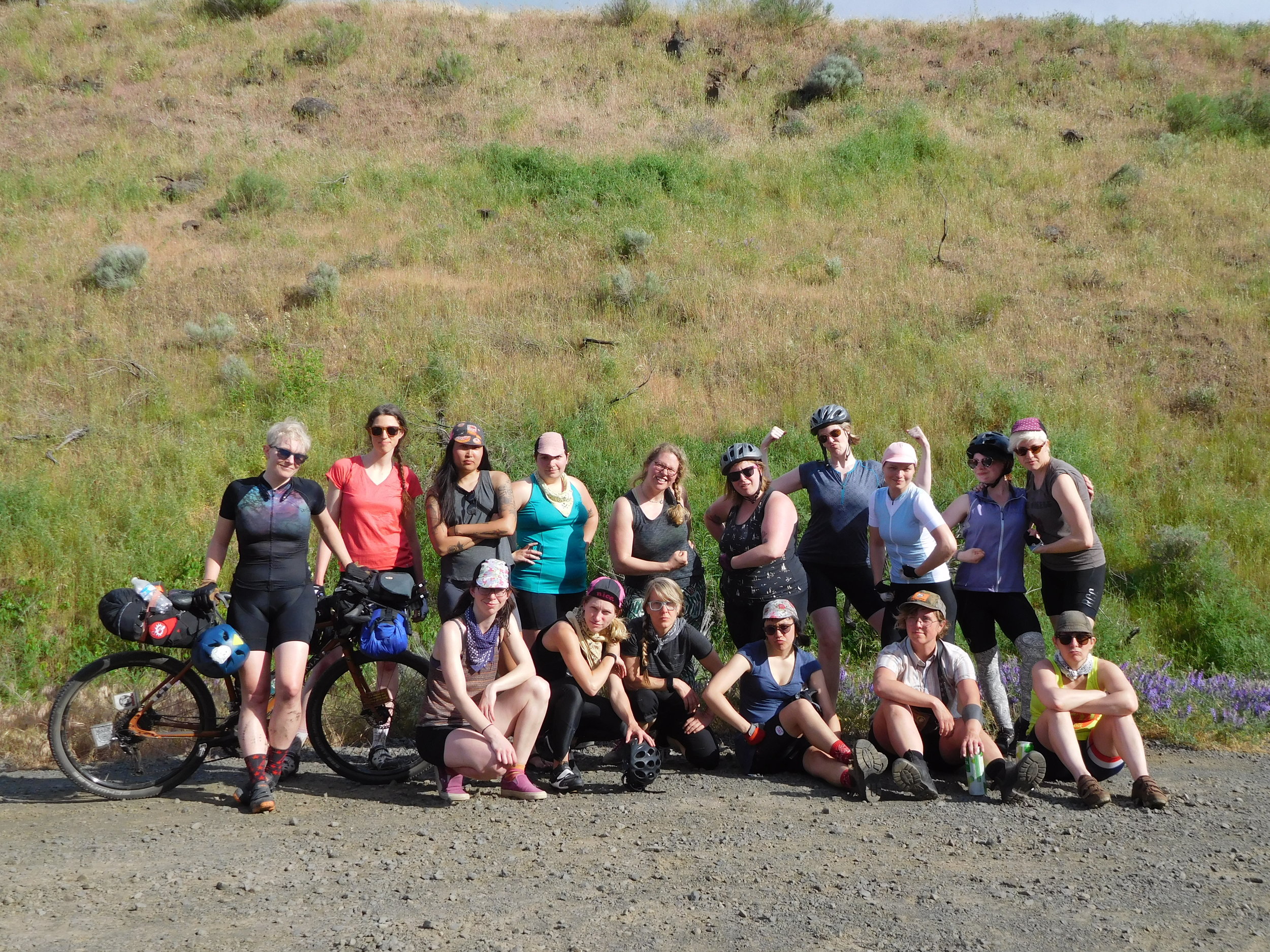
No matter what kind of riding you want to do, there is somebody else who is looking for it too or who is already doing it. From organized group rides at your local bicycle club to training rides to get in shape for a charity ride to Kidical Mass rides, there are literally cycling groups for every single interest out there.
Recommended places to start include MeetUp.com, your local bike club, and Facebook. And while it might be intimidating to go for your first ride, remember that we all started somewhere.