Learn to Bike Camp with Me!! (Virtually!)
One of the most common questions I get is “How do I get started with bike camping?” After years of teaching beginners in person and taking many people on their first trip, I’ve realized in our new virtual world, I can share the knowledge far and wide!
I’m excited to announce that I’m offering virtual “Learn to Bike Camp Classes!”
Learn more about the classes and sign up here.

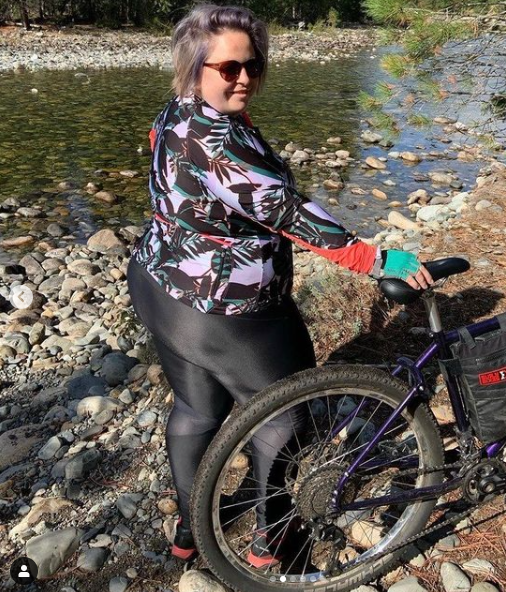
Too Heavy to Buy a Bike? Apparently So...
A man in Canada had a frustrating experience recently when he was refused pickup of his newly purchased bicycle after exceeding the weight limit established by the manufacturer…or so the story read. But is it so simple?
But instead of trading jabs at either the store or the customer, I’d instead like to offer a few ideas for broader solutions which would make the cycling world more inclusive to all, but especially people in larger bodies.
A man in Canada had a frustrating experience recently when he was refused pickup of his newly purchased bicycle after exceeding the weight limit established by the manufacturer…or so the story read. But is it so simple?
Turns out, the customer was asked to sign a waiver acknowledging that he was aware he exceeded the weight limit (and could’ve taken the bike home then.) The customer refused to sign and instead went to the media. Here’s the whole story.
I’ll let you decide for yourself who, if anyone is in the wrong here and if it’s discrimination, but I can definitely empathize with both the bike shop and the customer in this situation.
But instead of trading jabs at either the store or the customer, I’d instead like to offer a few ideas for broader solutions which would make the cycling world more inclusive to all, but especially people in larger bodies.

For the Bike Industry
Make Stronger Bikes - Regular people are getting into riding bikes and need equipment that is going to work for them! I would advocate for stronger bikes across all segments (road, mountain, recreational, electric) but especially recreational and commuting. I think we’re just at the tip of the iceberg in terms of a fundamental shift in how people get around and a whole lot more folks are going to be looking for practical, strong bicycles that can carry groceries, kids, and be everyday bicycles.
Make the Weight Limit Info Easier to Find -Some brands are already doing this and it’s awesome. For those that aren’t, make it easier! Put this in the owners manual and simple to understand.
Educate Bike Shop Employees - This one is a little bit sensitive, as we don’t necessarily want shop employees walking up to a person in a larger body and saying “Hi! You’re fat, I have just the bike for you!” But knowing how to sensitively and appropriately approach the topic of weight limits, appropriate shock pressure for different weights, and bike selection for different body types is crucial for a welcoming bike shopping environment.
Make Clothing for Larger People - This one feels like a chicken and egg. Fat folks ride in the rain and cold. Fat folks get wet and cold and need appropriate clothing. Please make larger sizing.
Hire me to train your staff and employees! Here’s a primer on what we can talk about - we can also customize it to your industry. Kudos to those brands that have already brought us in - we’ve had excellent conversations and I’m really excited to see future changes!
For Consumers
Do your Research - I know we’re already experts at this (find me a fat person who hasn’t looked up the weight limit of a zip line, seat width of an airplane, or confirmed to see if we’ll fit in a booth.) The burden should not be on our shoulders, but it can definitely help conversations at the bike shop if you have an idea of what you’re looking for before you go in.
If you’re just getting started, read this blog post - “Biking While Fat - 4 Things I Wish I Knew”
Support brands that are doing the work already - While somewhat limited, there are bike manufacturers who currently make bikes designed to hold a lot of weight. Surly Bikes and Zize come to mind (note: I love Surly but have not personally tried Zize.)
I’d also advocate that these tips are useful beyond the bike industry and could be applied to many outdoor pursuits. What else would you add to this list?
Cycling through COVID: An excellent physical and mental escape
Cycling through COVID. Why covid is an excellent physical and mental escape, and how to get the most from your COVID rides.
It’s hard to believe we’ve been living with COVID for nearly a year now. I remember last January, hearing the news out of China of a mysterious respiratory illness and watching Wuhan go into lockdown and worrying about a planned business trip to Shanghai for March. Needless to say that trip never happened.

As we all know, COVID spread rapidly and we quickly found ourselves across the world in various states of restrictions and lockdowns. Washington State pretty quickly adopted (what felt like to me) reasonable guidelines called “Stay Home, Stay Healthy”, which generally advised staying home as much as possible except for essential trips, such as doctor appointments and grocery trips. Levels of restrictions for dining outside of the home have ebbed and flowed, but in general, the guidance has stayed consistent – the more you can stay isolated from the others, the better.
The authorities did, however, make an important caveat in their guidance, which included instructions for being outside safely. By May, Washington State Campground were back open and it was common to see lots of folks on the trails with masks.

Personally, I’ve found a huge benefit to continuing to ride my bike during COVID. In fact, I’ve actually ridden more miles in the past year than I did in the preceding year – maybe it’s because I have more time with nothing else going on? Read on for a few tips for how you can either keep riding through COVID, or start riding and hopefully get some of the benefits I’ve experienced.
1. Keep it local and safe.
Hospitals are overwhelmed with COVID patients. The last thing they need is a pile of broken bones from a bike crash. If you’re going to ride, keep it local and safe. Now is not the time to go for that epic downhill mountain bike ride or check out that remote road.
2. Wear a mask.
As we all know by now, you can spread COVID-19 while asymptomatic. Wear a mask and protect your fellow riders. As a bonus, it’ll keep your face warm.
3. Make it an adventure.
Ride to places you’ve never gone before (but keep it local!) Can you try grocery shopping by bike? What about looking for new neighborhood art by bicycle? You might be surprised by how far you can go on your bike with relatively little effort and see some things you’ve never seen before!
4. Give back to the community!
Many food banks and community organizations are looking for volunteers to deliver essentials by bicycle. In Seattle, Cascade Bicycle Club helps organize the Pedaling Relief Project – all level of cyclists welcome!
5. Track your rides
I don’t typically advocate for this, but I think it can be really fun to see how far you’ve gone and what you’ve accomplished. I use Strava and try not to get caught up in speed or watts, but just like to see how far I’ve gone.

Good luck and I hope you find joy on two wheels!
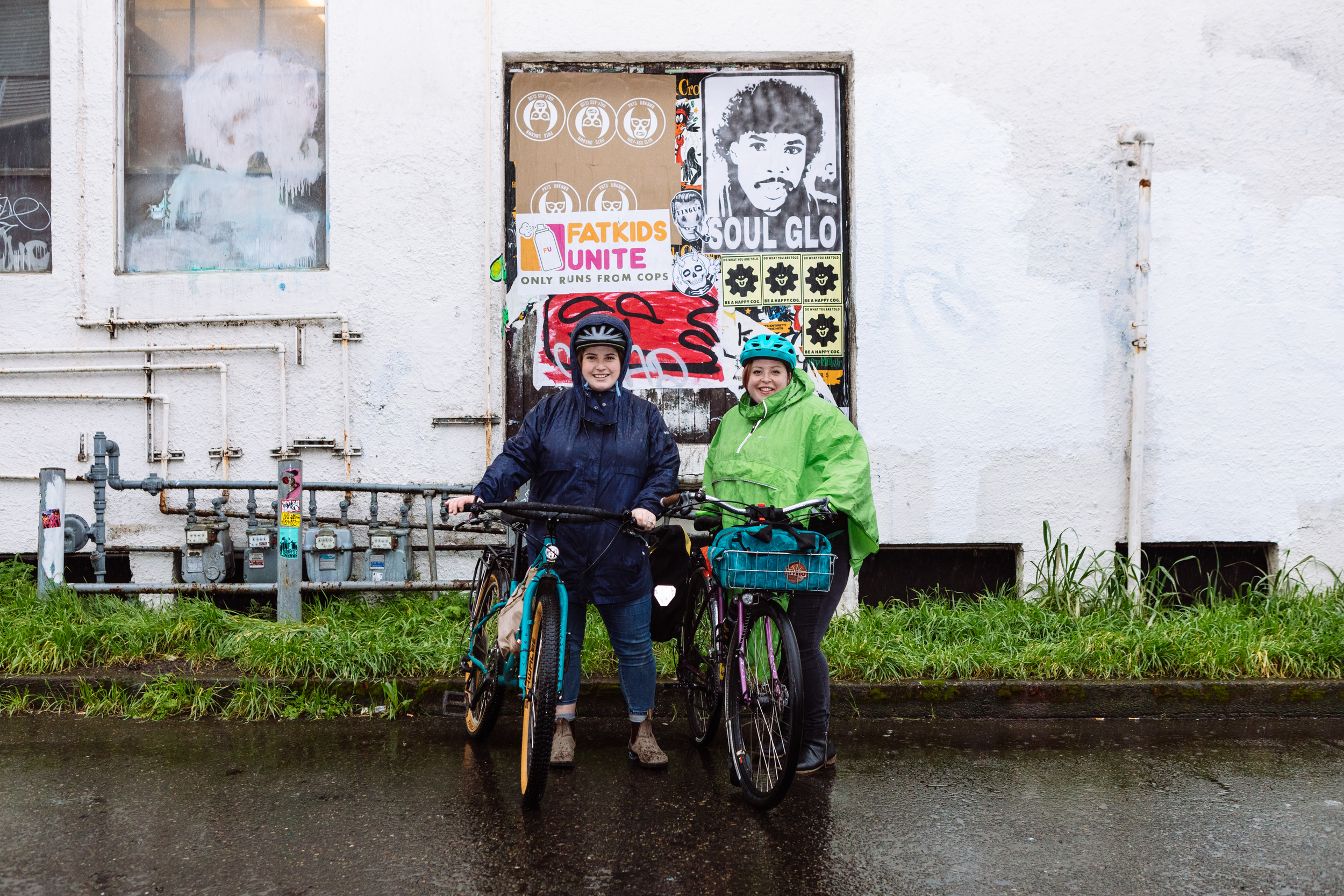
5 Tips for Making Your Group Ride More Inclusive
We've all been on that group ride that was advertised as "No-drop", only to be left behind on the first climb. It's not a good feeling for anyone, no matter how long you've been riding. It can be especially discouraging for newer riders or folks trying out group riding for the first time.
We've all been on that group ride that was advertised as "No-drop", only to be left behind on the first climb. It's not a good feeling for anyone, no matter how long you've been riding. It can be especially discouraging for newer riders or folks trying out group riding for the first time.
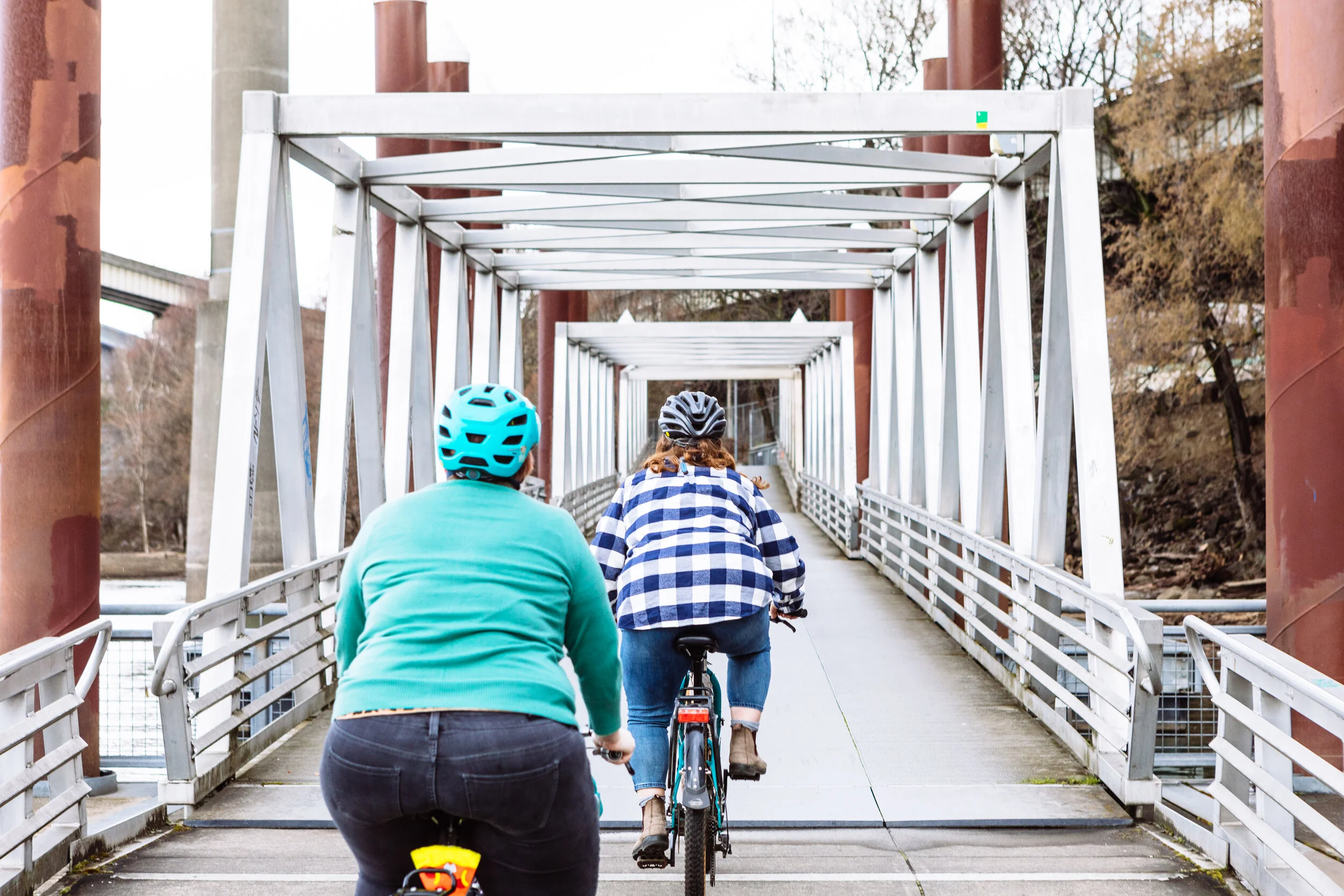
There are a few fairly simple things you can do as a ride leader to make your rides more inclusive to all. Read on for my top 5 pieces of advice.
1. Be honest about what pace you're going to ride at and stick to it.
Going fast on a group ride is ok - in fact, I can ride a lot faster in a group than alone thanks to physics (hello drafting!) But I need to know what pace the ride is planning to go at so I know if its an appropriate ride for me to attend. As a ride leader, you need to set the pace and stick to it (obviously hills are the exception.)
2. Publish your intended route before the ride.
I used to ride with a group where part of the adventure was never knowing where you were going to end up. This was fun for a while and then I realized it was causing a lot of anxiety. I didn't know if I was going to end up 2 or 20 miles from home. Let folks know where you're planning to ride so they can plan accordingly. Sure, it might take away some of the mystery and intrigue, but it'll reduce stress when people know where they're going.
This also includes descriptions of the ride, such as expected elevation gain, road condition (paved, gravel, single track, etc.) and planned stops. As a person who snacks frequently, I want to know if I need to pack food or if we're stopping somewhere along the way.
3. Have a sweeper at the back of the ride who knows the route and intended destination.
Flat tires, red lights, bathroom breaks - things happen on rides and sometimes no matter your best intentions, groups can get split up. Having a designated person at the back of the ride who knows the route and where the ride is ending is crucial to ensuring all your participants make it to the end safely. Make sure this person is introduced to everyone at the beginning of the ride and its made clear that they'll be at the back of the group. (I also find it helpful for this person to have some basic mechanical skills just in case somebody gets a flat or drops a chain and doesn't know how to fix it themselves.)
4. Regroup at the top of hills, and actually give the last people up the hill a chance to rest.
I'm always the last person to the top of the climbs. I can't even tell you how many times I've gotten to the top, gasping for air, for the group leader to immediately start riding again. Don't do this. Give the people at the back the same break you got.
5. Drop the judgement-based descriptions such as "beginner" or "advanced" when you actually mean slow or fast.
This is a personal pet peeve of mine, because I'm slow, but I'm definitely not a beginner. I want to be very clear that there is absolutely nothing wrong with being a beginner.
But using descriptions such as "beginner" or "advanced" to describe pace can be dangerous and misleading. Harking back to #1, use actual pace descriptions, and if you truly mean a beginner ride, explain what that means. If folks are expected to know how to hold a paceline, make that known!
Any other best practices your cycling group uses? Share them in the comments below!