My Top 10 Essential Pieces of Cycling Gear

Disclosure: Some of the links below may be affiliate links, meaning if you click through and make a purchase, I earn a small commission at no additional cost to you.

It’s true, all you REALLY need is a bike, but for the best, most comfortable experience on a bike there are a few accessories that will improve your cycling life immensely. Most of these are under $50 and will make your ride safer, more comfortable and most importantly, more fun!

I’ve included links to my personal favorites but there are lots of great options out there. So, without further ado, my top 10 accessories for bike life!

  1. A Quality Floor Pump

floor pump.jpeg

I really love this basic Park Tool PFP-8 Home Mechanic Floor Pump. It’s simple to use, works for both Presta and Shrader valves, has an easy to read gauge, and is relatively inexpensive at $43.95. I check my tire pressure before every ride, so this is literally my most essential tool.

2. A Feedbag (Handlebar Bag)

revelate designs.jpeg

Having easy access to snacks, your camera, water bottle, bear spray, inhaler, or whatever else you may need is key when you’re riding along. A feedbag attaches to your handlebar and stem and keeps all of your essentials right at your fingertips for quick access. I love this Revelate Designs Mountain Feedbag as it can be opened and closed with one hand, has a large inside pocket, multiple outside mesh pockets, and quickly attaches with velcro and a snap for secure attachment to multiple size bikes.

3. Cycling Gloves

gloves.jpeg

Simple and functional, these gloves help absorb road vibration and provide protection to your hands. These come in both half-finger length for warm days and full length for colder rides.

4. Water Bottle

RAR+Waterbottle copy.jpg

This one may seem obvious, but not all water bottles are created equal. I’m partial to the Purist bottle (and will soon have some in my shop) but until then, encourage you to support the Radical Adventure Riders or your local bike shop.

5. Lock

ulock.jpeg

Bike thieve suck. While nothing will totally prevent it, a good u-lock will at least deter/delay the theft a bit. I highly recommend the smallest u-lock you can get away with, as there is less room to get a tool in to pry the lock apart. Make sure you also register your bike on bikeindex.com as well!

6. Raincoat / Raincape

rain jacket.jpeg

This is the first cycling specific rain jacket I’ve ever worn that actually fits! Coming in sizes from XS-3XL (which I wear) this jacket has tons of cool features - zip down armpit vents, reflective bits in all the right places, and generous length for riding. As a bonus, here’s a video of me being really excited about trying it on for the first time.

7. A Rack & Panniers

pannier.jpeg

Ok, technically this is 2 pieces of gear, but having a quality rack and panniers will make all the difference if you decide to commute, bike camp, or grocery shop with your bike. I love these panniers - they’re waterproof, have replaceable parts and are super durable.

I don’t have a specific recommendation for a rack, as you’ll need one that is compatible with your bike. Chat with your local bike shop and see what they recommend!

8. Roadside Repair Kit (Tire Levers, Patch Kit & Hand Pump)

tirelevers.jpeg

Unless you’re running tubeless (and sometimes even then), flat tires are a fact of life. Remove your tires easily with these tire levers. $5 for a set.
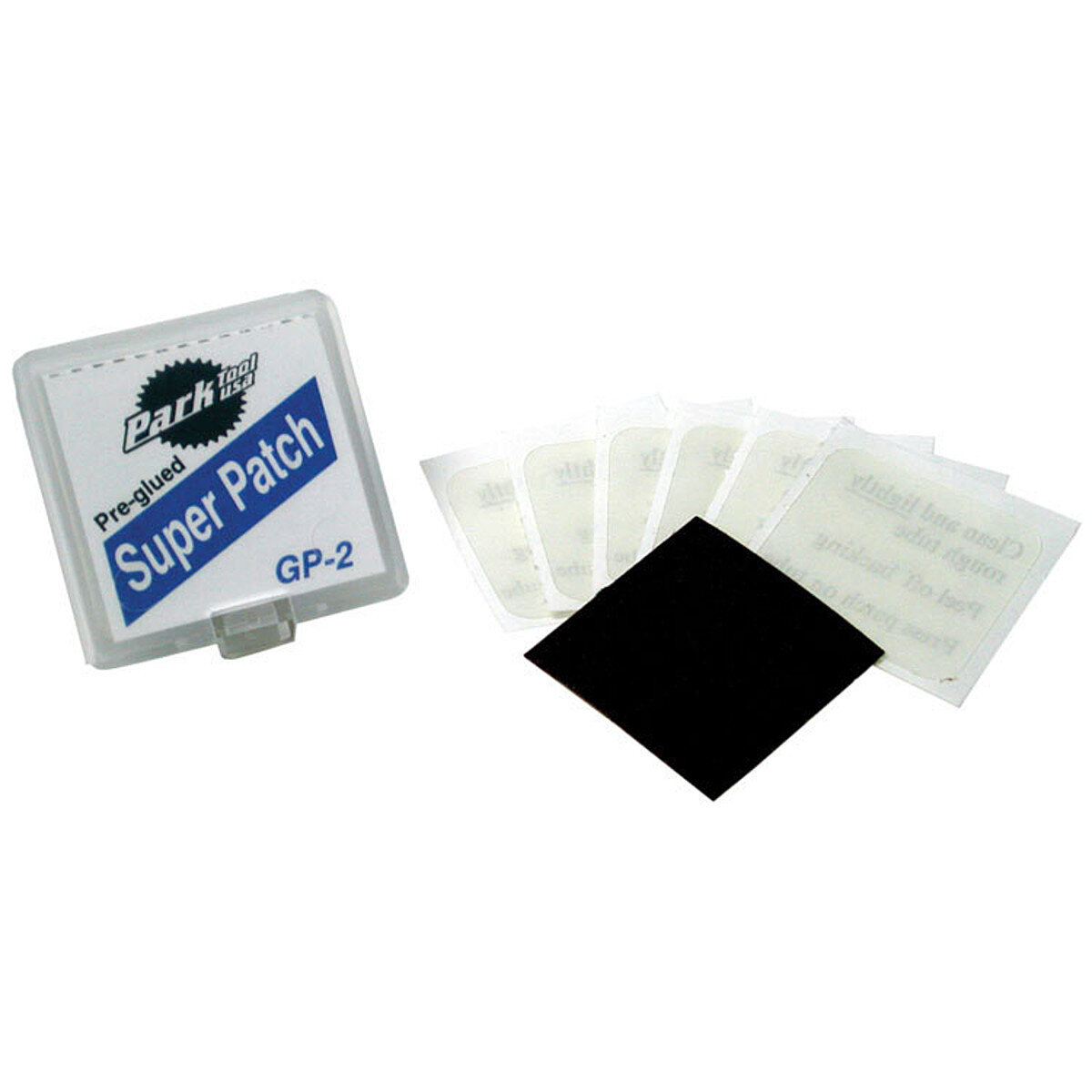
patch kit.jpeg

Patch Kit

Learn how to patch your tires. It’s quick, it’s sustainable, it’s easy.

hand pump.jpeg

Leyzene Sport Drive Hand Pump

I love this pump because it has a flexible hose which makes attaching it to your tire valve easy. It also has attachments for both presta and Schrader valves, so it works for all your bikes!

9. A Bell

Spurcycle Compact Bell

Loud with a clear sound, this bell is nice and compact and doesn’t take a ton of space on your handlebars.

10. Lights

Lumina Micro 650 And Sabre 110 Combo

If you can afford it, I highly recommend a Dynamo lighting system, but second best is a strong front and rear light. I like these from Niterider because they’re USB Rechargeable and have multiple settings. Be sure to check your local laws as many places only allow solid front and rear lights (plus, blinking lights are blinding!!)

Five Rookie Mistakes I Made at My First Gravel Race

I’m currently on a cross-country road trip from Seattle to Colorado for SBT GRVL, which means I have a lot of time to think. Turns out these western states - Washington, Oregon, Idaho, Wyoming - they’re really big. Like really big.

Steamboat Gravel will be my second gravel race, which I think technically still makes me a rookie, but after starting with Unbound Gravel, I definitely have some pieces of advice and wisdom to share. I’ve also been riding bikes for a long time and doing unsanctioned long distance gravel events for years.


Unbound Gravel was a ton of fun, but also a really hard ride and a great learning experience. Check out my previous post on that race here. I made all sorts of rookie mistakes during that ride that I hope not to repeat this weekend. I’m going to share them with you in the hopes that you won’t make the same mistakes either - whether you’re looking into doing your first gravel race or are just endurance riding curious.

  1. Too much caffeine on race morning.

    I’m from Seattle and the rumors are true - we drink a lot of coffee, myself included. I typically start my day with 1 or 2 cups of drip coffee and then have another cup later in the afternoon, nothing wild. The drip coffee on offer where I was staying was a bit weak, so on my way to the starting line, I picked up an Iced Soy Latte in downtown Emporia, which I promptly spilled all over the street. Frustrated, I went to a different coffee shop and ordered a ‘double tall iced soy latte.’ When I got my drink, I should’ve noticed something was off, as it was super duper strong.

    Instead of 2 shots of espresso, there were 4! Ignoring my best judgement, I drank the whole thing. Big time mistake.

    I found myself jittery, nervous and my heart rate was through the roof. I was wearing a Wahoo Tickr heart rate monitor, and my resting heart rate is typically around 57 bpm. Siting down under the Shimano tent, my heart rate was at 120 bpm.

    Once I started riding, the effects of the caffeine lessened a bit and around mile 20, I felt normal. Typically, during a long ride, I’ll use GU Rocktane Gels that have caffeine in it for a pick-me-up, but during Unbound, I definitely avoided them.

    My plan for Steamboat is simple - make my own coffee and keep my routine as normal as possible. Take Shotblocks and GU Rocktane on the ride to refuel. Get an iced soy latte when the ride is over :)

  2. Didn’t eat enough calories during the ride.

    If you follow me on Instagram, you might remember my ride prep for Unbound included making a ton of peanut butter and jelly sandwiches, packing ‘real food’ and loading my pack up with all sorts of snacks. So you might be a little perplexed as to how I didn’t eat enough calories during the ride. Well, me too.

    I think it was the combination of too much caffeine that surpassed my appetite, nerves from the race, and 95 degree Kansas heat but I just did not have any hunger signals. So I didn’t eat. In fact, I found myself nauseous, which is never a good place to be, especially when riding 50 miles. No one wants to find themselves in bonk city.

    This time, no matter what my body is telling me, my plan is at least 100 calories every hour. Even if I don’t have an appetite - I can at least get down some m&ms or a gu packet.

  3. Too many stops & too much time at each stop

    Ok, I’m not really going to beat myself up over this one, as I’m not a racer and don’t really intend to be. But, I do need to learn to be more efficient at the rest stops.

    Get in. Eat. Refill water bottles. Go.

    I have a really bad habit of chatting, hanging out, taking off my shoes, making an outfit change, etc…basically pretending like I’m on a bike tour instead of a race with a cutoff time. So my advice for you is to make sure you have a plan at the rest stops. Know what your priorities are - food, air in your tires, etc.

  4. Wool socks are a bad idea in June.

    I’m a Pacific Northwestern kid, where wool socks are generally a good idea any time of year. Turns out that’s not the case everywhere, including Kansas in the middle of summer. My feet were so incredibly hot. Next time I’ll plan better, likely going with a lightweight sock from Pearl Izumi that’ll keep me cool and looking good.

  5. My music was not on point.

    I didn't originally plan to ride with any music, so I didn’t have any playlists downloaded onto my phone. However, there came a point on my ride where I literally couldn’t see the end of the road in front of me, the headwinds were blowing 20 mph in my face, and I was in the pain cave. All I wanted was some good beats to keep my spirits up.

    This race, I’ve got at least 6 different playlists ready to go. I’ll ride with only one ear bud in to make sure I can hear everything that’s going on around me and still keep the music going.

So yeah, I’m not changing anything super drastically. Pretty much common sense, but hopefully you find it helpful if you’re about to embark on your first big gravel race or event! Let me know and good luck out there!

i

The Ultimate Beginners Guide to Buying a Bicycle

Please note: the intent of this blog post is to educate you on bicycle shopping, including common types of bicycles, things to consider when buying, and general tips on bike selection. I will NOT be recommending specific brands/makes/models in this post as there are many many many wonderful bikes, frame builders and brands out there and I don’t want to show favoritism. I’m happy to make individual recommendations one on one- get in touch.

Most mornings when I open my inbox, I have 3-5 messages with a note like the following:

Dear Marley,

I grew up riding a bike but stopped and would love to start riding again. I have an old hybrid in my garage that I haven’t been on in 20 years, but I think I need something newer, as I’ve gained weight/had kids/moved to a hillier place (insert life circumstance here.)

What kind of bike would be good for me? How do I shop for a bicycle? Where do I even start? There are so many choices, it’s all so overwhelming!

I’ve also heard horror stories about bike shops and am afraid I’ll have a bad experience there. Do you have any tips for having a better bike shop experience? Or the best bike shops to go to?

Well, dear reader, I’m here to help you. After guiding many people through a successful and happy bicycle buying experience, I realized it’s long past time to share my knowledge with the world. My goal in life is to get more butts on bikes and if this helps with that, excellent.

Obviously if you’re reading this blog, you’re probably the type of person who researches things before you just walk right into a bike shop. Excellent choice! But, before you fall down that internet rabbit hole, STOP and answer these questions.

And if you’re not the type of person who researches things and your friend who rides bikes sent you this blog to read, welcome. I’m also one of you - I typically don’t research anything before making impulsive decisions, which has led to a wealth of knowledge that I don’t necessarily need, but am happy to share. Anyway - you also need to answer these questions to help you find the right bike for you.

****This is crucial and will help ensure you get on a bike that meets your needs and keeps you happy for many miles of pedaling bliss.******

  1. What kind of riding do I want to do?

    You might be saying “Huh??” at this point, but read on. Think about where and how you see yourself riding your bike. Here are a few examples:

-Commuting to work or School

-Getting into fitness riding i.e. triathlon, road racing, etc.

-Mountain Biking/Gravel Riding or Racing

-Bike Camping or Touring

-Running errands on your bike, such as going to the grocery store or taking your

kids to school

-General leisurely rides on paths and low-traffic roads

In general, there are three broad types of bikes: road bikes, mountain bikes, and hybrid/comfort bikes. There are of course sub-categories within each of these, including gravel bikes, cyclocross, randoneurring, all-road, enduro, downhill, etc…. There are also folding bicycles, cargo bicycles, tandems, recumbent bicycles, tricycles, and hand cycles! On top of that, all of these can be acoustic or electric (acoustic is my favorite way of saying non-electric bicycle - it sounds way cooler than anything else.)

Road Bikes

Road bikes are designed for riding on roads. Pretty simple. But beyond that, they tend to have more of a focus on speed, racing, touring or commuting purposes. Road bikes often have drop handlebars with a more aggressive body positioning, are made of lighter materials and sport thin tires.

I’ll probably get skewered by the broader bike internet for saying this, but bikes in the broad “road bike” category are excellent choices for commuting on, light touring/bike camping, fitness riding, and potentially running errands, depending on your preferences. Basically recreational riding.

For reference, in this category, of my own bikes, I would consider my Surly Straggler, Breezer Inversion, and even though it’s an electric cargo bicycle, my Larry vs Harry Bullitt to all be “road bikes.”

Mountain Bikes

If road bikes are meant for the road, mountain bikes are meant for the mountain, right? Well, essentially yes. Mountain bikes are intended for Off Road.

Think knobbier tires (but not necessarily huge), suspension, and the ability to get rad.

Hybrid/Comfort Bikes

Good for the city, multi-use trails, have wider tires than road bikes with a heads-up rider position. Good general use, multiple size rider bicycles.

2. What do I plan to carry on my bike?

Bikes are excellent for carrying way too much stuff - groceries, kids, camping gear, garage sale finds…basically anything, as long as your bike is equipped for it.

If you want to carry anything, you’ll want to ensure you get a bicycle that either comes equipped with a rack, or has the ability to attach a rack. Many hybrids will come with a rack installed.

3. What is your budget?

Sticker shock at a bike shop is never fun. You can expect a new, quality bicycle to start around $500 for the most basic, entry level model with nearly zero frills, and go up from there.

Be sure to allocate money in your budget for accessories that are necessary for a successful and safe ride - a helmet, lock, and lights.

Factors that impact the cost of a bicycle include frame material, brake type, and brand name.

Buying used can be an excellent way to save money and get a quality bike. Bicycle Co-ops and non-profits often sell second hand bicycles to fund their educational programs - groups like Bike Works and The Bikery in Seattle often have excellent bikes at a fraction of their actual cost. If you do find a private seller, make sure you meet the potential seller in a public place, bring a pump and multi-tool to ensure you can test ride the bike, and do take a test ride.

Also, taking some basic precautions will help ensure you’re not buying a stolen bicycle.

  • If the deal seems too good to be true, it probably is. Bicycles are a very commonly stolen item and are often sold at way below fair value.

  • Check bikeindex.org for the bicycle in question.

48986DE7-839E-4D60-8548-A1EE77EABD86.png

At the Bike Shop

Cool. So hopefully now you’ve done some thinking about the kind of riding you want to do, have a budget in mind, and maybe even a type of bike. NOW you can start to think about heading to the bike shop. Fair warning - not all bike shops are created equally, but in general shops have come a long way in terms of inclusion and friendliness.

Back in the Saddle.png

Below are my top tips for a more pleasant experience at the bike shop.

  • Find a shop that fits your vibe.

    • If you’re looking for a road bike and want to get into triathlons, go to a store with a big selection of road bikes. If you’re looking for a family bike, look for a family bike shop. Just like any business, bike shops are owned by people, and people have personalities and specialities. Checking out a bike shop’s social media presence or website will be a good indicator of their general “vibe” and values.

  • Plan your visit! Be prepared to test ride - shoes, clothing, mentally ready! Have you eaten a snack? Are you thirsty? I’ve test ridden bikes hungry and it never goes well. The shop should help you find a safe route to test ride on but you’ll likely need to bring your license (or ID) and a credit card to leave as a deposit to test ride.

  • Ask Questions & Take your Time. A bike is a big purchase - make sure all of your questions get answered. Whether that’s about maintenance, weight limits, or color options, make sure all your questions get answered. Also, be your best advocate and ask for adjustments to make sure the bike fits you. After you buy the bike you can definitely make adjustments to make it fit better, but getting the right size is crucial!

Also, please remember to be kind to the folks working at the shops - they’re essential workers who have endured incredible stress over the past 18 months through COVID as more people than ever sought out bicycles. The entire supply chain is a mess and this includes bicycles - be kind, be patient, and tip your mechanics!

Modifications & After Market Upgrades

Congratulations! You found a bike and love it! Remember there are lots of things you can change on the bike to further personalize it and make it fit you perfectly:

Phew! That’s a lot of information - thanks for sticking around til the end. Please let me know any questions and happy bike buying!

A Very Very Long Overdue Tympanoplasty Update

Five years ago, I had a pretty major surgery on my left ear to repair a hole that never healed. Technically called a tympanoplasty, they took cadaver tissue and grafted it onto my eardrum, with the eventual goal of restoring function to my eardrum (and maybe my hearing in that ear.)

I documented my recovery from that surgery in this blog post and promptly forgot about it, but after looking at my Google Analytics for this site, realized that post is still my top performing post. The internet is a strange place that never ceases to amaze me.

So…five years later, where do things stand?

Well, by all the official measures, the surgery was a success. In the year after the surgery, I had a series of in-office follow ups with Dr. Sanchez and hearing tests with the audiology department to confirm healing and check for progress on the hearing, as it can take a while after the surgery for the full impacts to be realized.

After about a year, I was cleared to resume all normal activity, including swimming without an ear plug. I had honestly been dreaming about this day for years. Unfortunately, my joy was short lived as I was met with searing pain in my left ear as soon as my head entered the water on my first dive into a pool. Well, crap.

Since then, I’ve found that I can actually swim without earplugs as long as I don’t get water directly channeled into my ear canal - so no diving, jumping in, or rough housing unless I have an ear plug in. I think I can live with these compromises.

The other really big development is that I got a hearing aid for my left ear! About a year ago, so four years after the surgery, I found myself fed up with constantly asking people to repeat themselves, missing things in tv shows, and feeling like I just wasn’t hearing things out of my left ear anymore.

Hearing loss was the original reason we did the tympanoplasty, but because of the persistent hole in my eardrum, I was not a candidate for a hearing aid at the time. The surgery corrected the hole so I was finally a candidate for a hearing aid!!

I’ve had my hearing aid for a little over a year now, which has been interesting timing. To be completely honest, I don’t wear it nearly as much as I should. I was really good about wearing it when I first got it, but then COVID hit and I didn’t see anybody, so I didn’t have a reason to. Now that I’m venturing back into society, I’m finding myself needing to wear it but I forget to.

So yeah, life is basically back to normal for me. I’m really grateful I had the surgery and would recommend it to anyone who is considering it.